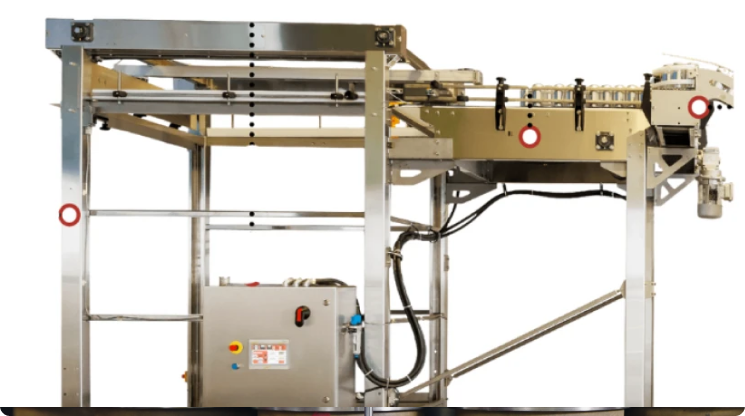
Depalletizer Downtime: 5 Common Causes & How to Prevent Them
When your depalletizer stops, so does everything behind it. A single unplanned stop can leave filled cans sitting idle, operators waiting, and downstream systems starved of product. Because the depalletizer sits at the start of the packaging line, even a short interruption creates a cascade of lost throughput and unnecessary labor.
Most depalletizer downtime stems from repeatable mechanical, control, or operational issues that can be predicted—and prevented—with the right maintenance practices. This guide outlines how to diagnose and prevent the most common depalletizer issues.
1. Sensor Faults and False Reads
Sensors control every movement of a depalletizer: pallet lifts, sweep transfers, centering gates, and safety interlocks. When sensors become coated with dust or debris, vibrate out of position, or lose alignment with the target, it can trigger an emergency stop or cause the lift to miss its position.
How to prevent it:
-
Include sensors in your weekly depalletizer maintenance checklist for cleaning, alignment, and function testing.
-
Mount photoeyes on vibration-resistant brackets and use shielded cabling to prevent signal interference.
-
Keep critical sensors (photoeyes, proximity, and limit switches) in stock for quick replacements.
-
Configure your HMI to identify the specific sensor causing a stop so operators can respond faster.
Routine inspection and documentation help operators catch issues early before they become recurring problems.
2. Slips During Sweep-Off
The sweep transfer moves a full layer of cans or bottles from the pallet onto the discharge table. When product slides or rolls during that motion, it causes a jam or collision that brings the entire system to a halt. Moisture, dirty sweep rails, and timing inconsistencies between conveyors are the usual culprits.
How to prevent it:
-
Replace worn sweep bar pads or guide rails that no longer hold containers securely.
-
Keep sweep surfaces dry. Moisture and sticky residue drastically increase slippage.
-
Verify conveyor speed synchronization between sweep-off and discharge conveyors.
-
Train operators to pause and correct minor misalignments before resuming the cycle.
Even small slip incidents, if ignored, can misalign subsequent layers and compound downtime throughout a shift.
3. Layer Pad Handling Failures
Layer pad handling is one of the most common depalletizer failure points. Pads often vary in thickness, stiffness, and surface condition between suppliers, which affects how consistently the vacuum head can grip them. Some pads stick to the product due to moisture or static, while others curl or tear, breaking the vacuum seal mid-lift. In other cases, a pad may be misaligned on the pallet, preventing the pickup head from creating a full seal. When any of these conditions occur, the depalletizer halts the cycle to prevent collisions or dropped material—forcing operators to intervene manually before production can resume.
How to prevent it:
-
Check vacuum levels weekly and replace worn suction cups or filters.
-
Clean pad pickup heads to prevent paper dust from clogging the system.
-
Standardize pad thickness and hole pattern to minimize variation.
-
Add a camera or HMI view of the pad pickup zone for early detection of mispicks.
Layer pad automation is one of the most complex functions in a depalletizer. Small improvements can reduce manual interventions and keep production flowing.
4. Changeover Errors
Beverage plants often run multiple SKUs in different can heights or formats. Each change requires manual or semi-automated adjustments to sweep height, centering guides, and discharge conveyor positions. When those adjustments are missed or set incorrectly, the first pallet of a new SKU can jam or misalign, leading to unplanned downtime.
How to prevent it:
-
Use a standardized changeover checklist with visual indicators for each adjustment point.
-
Add mechanical stops, scales, or digital readouts to help operators repeat correct positions.
-
Log changeover performance and issues in a shared maintenance database to spot trends.
-
Whenever possible, schedule changeovers during planned downtime rather than mid-shift.
Reducing human variability in changeovers pays dividends in uptime. A few standardized tools and documented procedures often save hours of troubleshooting later.
5. Pallet or Sweep Misalignment
Depalletizers rely on tight positional accuracy. Each pallet, layer, and sweep motion must be precisely aligned. Even minor drifts from worn lift chains, uneven floors, or loose base anchors can create jams and unplanned stops.
How to prevent it:
-
Inspect pallet lift chains and guides monthly for wear or uneven tension.
-
Add mechanical stops or sensors to confirm pallet position before each sweep.
-
Recheck machine leveling and anchor bolts annually.
-
During rebuilds or relocations, use laser alignment tools for precision setup.
Alignment issues tend to worsen gradually, so scheduled mechanical audits can catch them before they turn into full shutdowns.
Preventive Focus: Turning Downtime into Data
Every depalletizer stop leaves behind a trail of information: alarm logs, error codes, and maintenance notes. Capturing and analyzing those patterns reveals where your biggest uptime opportunities lie.
A few best practices include:
-
Create a dedicated maintenance log tied to common cause and resolution time for each downtime event.
-
Trend alarms over 30-day periods to see which failure types repeat most often.
-
Include depalletizer systems in your plant’s overall packaging line downtime analysis, not just mechanical tracking.
A disciplined approach to troubleshooting transforms one-off repairs into long-term reliability gains.
Keep Your Line Moving with Expert Support
These depalletizer troubleshooting and maintenance tips can help you keep your line moving, and RSS MACLIN is here to help. We offer comprehensive maintenance and service programs designed to keep your line running at peak performance.
When your depalletizer goes down, our technicians respond quickly to get production back online. Because RSS MACLIN provides unbiased service for any manufacturer, you can rely on one partner for both emergency repairs and scheduled maintenance.
Through annual or semi-annual depalletizer audits, our team inspects and calibrates every critical system: sweep assemblies, lift mechanisms, vacuum and pad handling, and control interfaces. These audits identify potential issues before they cause unplanned downtime, allowing you to schedule repairs and adjustments proactively.
Whether you need a quick repair, ongoing maintenance, or a full rebuild, RSS MACLIN provides the expertise and responsiveness that production teams depend on.